
Power Cut Kit: What to Keep Charged and Ready in Sri Lanka
A practical, no-panic checklist for outages — the light, the power bank, the fan and the backup data connection worth having ready, plus what to do in the ten minutes before a scheduled cut.
update Published 14 August 2026
Power cuts happen — planned maintenance, weather, a fault down the road. None of that is dramatic if the house is ready, and the whole kit costs less than most people assume.
Here’s the honest version: four things matter, in this order.
1. Light you don’t have to hunt for
The most useful light is the one already charged and in a known place. A phone torch works for two minutes and then you want your phone back.
- A rechargeable lantern is the best single buy. It lights a whole room from a table or a hook, and runs for hours on a low setting — which is what you actually need, rather than a searchlight that empties itself in an hour.
- A torch is for moving around, going outside, or checking a fuse box.
- A head lamp keeps both hands free, which matters if you’re cooking or fixing something in the dark.
- A solar-rechargeable light makes sense as the second light. Solar charging is slow and weather-dependent, so it’s a backup to your backup — but for a long outage, being able to recharge without mains at all is the whole point.
Keep it plugged in and topped up. A dead lantern in a drawer is not a power-cut kit.
→ Best rechargeable emergency lights in Sri Lanka
2. A power bank that’s actually charged
For most households the power bank is not for emergencies — it’s for daily use, and it happens to be there when the power goes.
- 10,000mAh refills most phones about twice. It’s the practical everyday size.
- 20,000mAh and up gives roughly four phone charges, or charges a tablet too. Heavier, and slower to refill itself.
- Check the output, not just the capacity. A bank with USB-C Power Delivery will fast-charge a modern phone; a cheap 5W one will trickle.
The habit matters more than the specification: top it up when it drops, not when you need it.
→ Best power banks in Sri Lanka · High-capacity power banks (20,000mAh+)
3. Air, if you’re somewhere hot
In a humid climate an outage stops being an inconvenience the moment the fans stop, especially at night or with small children in the house.
A rechargeable portable fan runs for hours off its own battery and is the single most-appreciated item in this list on a still, hot evening. The small clip and desk models are enough for one person; the larger turbo-style units move real air across a room.
→ Browse rechargeable fans and home gear
4. A way to stay connected
If you work from home, this is the one that costs money when it’s missing.
- Your phone’s mobile data is the simplest fallback — but check your phone is charged first, which is what the power bank is for.
- A pocket WiFi router has its own battery and keeps a small network alive through a cut. That’s why it doubles as an outage backup rather than being a single-purpose purchase.
- Your home broadband router will not run from a normal power bank. Most take 12V through a barrel connector, not USB. Assume it goes down with the mains and plan around mobile data.
→ Best pocket WiFi routers in Sri Lanka · How to choose a router
The ten minutes before a scheduled cut
If you know it’s coming:
- Top up the phone and the power bank — and the laptop, which is its own large battery.
- Fill a jug or two of water if your supply depends on a pump.
- Put the lantern where you’ll be, not where it’s stored.
- Cool the room down first — fans and air conditioning now, so the room starts cooler.
- Unplug what you care about, or move it to a surge-protected extension. Return of supply is harder on electronics than the outage itself.
When power comes back
Give it a couple of minutes before plugging sensitive equipment back in, and use a surge-protected extension for anything expensive — a desktop, a TV, a router. It’s a small cost against a repair bill.
If you regularly lose supply, an extension lead with surge protection is worth having on every desk rather than one shared through the house.
→ Power extensions and travel adapters
The short list
| What | Why | Size to look for |
|---|---|---|
| Rechargeable lantern | Lights a room for hours | Multiple brightness modes |
| Torch or head lamp | Moving around, hands-free work | USB rechargeable |
| Power bank | Two or more phone charges | 10,000mAh daily, 20,000mAh at home |
| Rechargeable fan | Sleeping through a hot outage | Battery-powered, not USB-only |
| Pocket WiFi | Staying online | Built-in battery |
| Surge-protected extension | Protects gear when supply returns | Enough sockets for one desk |
None of it is exotic, and most of it is useful on an ordinary day too — which is the point. A kit you only touch during an outage is a kit that’s flat when the outage arrives.
Building the kit? Start with rechargeable emergency lights and a power bank — order the lot in one go, and the sizing advice above tells you honestly which capacities you don’t need. Travelling rather than staying put? See the travel tech checklist.
The power-cut kit, in stock now
Light, power, air and a connection that survives the outage. Every price is live and every item is in stock today — add what you're missing to one cart and pay cash at the door. We have no surge-protected extension in stock at the moment; the advice above still stands, so check the category before you buy one elsewhere.
-
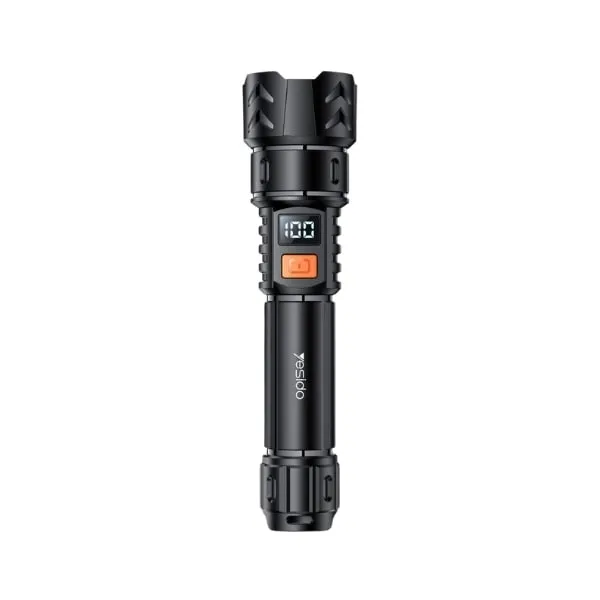 The torch Yesido TC10 Rechargeable LED Flashlight Torch
Aluminium body, USB-C recharging, high/low/strobe and a charge indicator — for moving around, going outside or checking the fuse box.
LKR 2,399 -
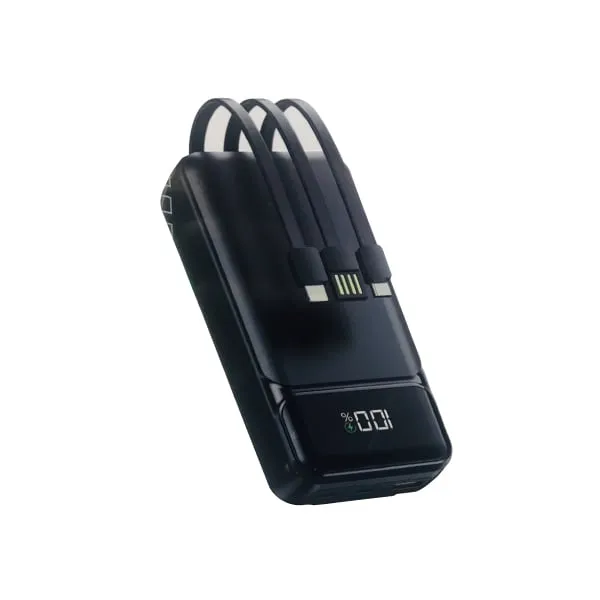 The power bank Aspor A316 20000mAh 22.5W Portable Powerbank
20,000mAh at 22.5W: roughly four phone charges, and fast enough to be worth using day to day rather than only in an outage.
LKR 4,999 -
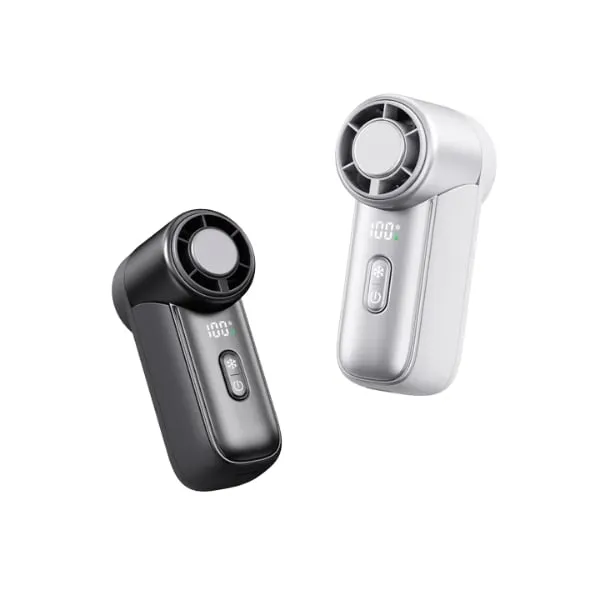 The fan WiWU Ice Core Portable Fan Wi-FS018
8.5 hours on its 3000mAh battery, recharged in about 2.5 — the item people are most grateful for on a still, hot evening.
LKR 8,499 tuneChoose options -
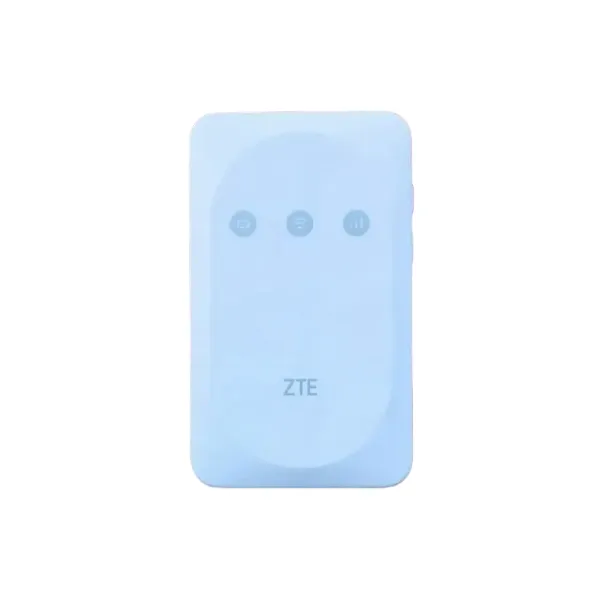 The connection ZTE MF935 4G Pocket Wi-Fi Router
A 4G pocket router with its own 2000mAh battery, good for about 7 hours — it keeps a small network alive when the mains router goes down with everything else.
LKR 10,499
The whole kit: LKR 26,396 plus a flat LKR 450 delivery — charged once for the order, not once per item, so all 4 pieces arrive together on one trip and you pay cash at the door.
Ready to buy?
Every product is genuine and warranty-backed, and ordering takes one short form — pay cash when it reaches your door.
Frequently asked questions
What should I keep at home for a power cut? expand_more
Four things cover almost everything: a rechargeable lantern or torch that stays plugged in and topped up, a power bank big enough to refill your phone at least twice, a rechargeable fan if you're somewhere hot and humid, and a way to keep data running — either mobile data on your phone or a pocket WiFi router with its own battery. Everything else is comfort rather than necessity.
How big a power bank do I need for an outage? expand_more
For phones, 10,000mAh gives most handsets roughly two full charges, and 20,000mAh gives about four or lets you charge a tablet as well. Bigger is not automatically better — a 20,000mAh unit is heavier and takes longer to recharge itself, so if the bank's main job is a daily commute, 10,000mAh is the more practical size and you keep a larger one at home for outages.
Can I run a WiFi router off a power bank? expand_more
Sometimes. Many home routers use a 12V barrel connector and won't run from a standard USB power bank without a specific step-up cable or a small UPS. Pocket WiFi routers are different — they have their own built-in battery and keep working through a cut, which is why they double as an outage backup. If your broadband router needs mains power, plan to fall back to mobile data on your phone instead.
Is it safe to charge a phone during a power cut or when power returns? expand_more
Charging from a power bank is entirely safe. The care point is mains power coming back: switch-on surges can be hard on electronics, so it's sensible to leave sensitive equipment unplugged until supply has been steady for a few minutes, and to use a surge-protected extension for a desktop, TV or router. Standard phone chargers are resilient, but a surge-protected strip costs little and protects everything on it.
What lasts longer, a rechargeable lantern or a torch? expand_more
A lantern usually lasts longer at the brightness you actually need, because it is designed to run on a low, wide setting for hours and to light a room from a hook or a table. A torch throws a narrow beam much further, which is what you want for moving around outside or checking a fuse box, but at full power it drains faster. If you only buy one, buy the lantern — it is the one you'll leave on for hours.
Should I get a solar-charged light? expand_more
It's worth it as a second light rather than your first. Solar charging is slow and depends on real sunlight, so it can't replace a USB-rechargeable lantern for reliability. Where it earns its place is a long outage or a trip away from sockets, where the ability to recharge without mains at all is exactly the point.