
Travel Tech Checklist for Sri Lanka: What to Pack
A practical tech packing list for travelling to and around Sri Lanka — the right plug adapter, power for long transport days, and what genuinely earns space in the bag.
update Published 5 August 2026
Packing tech for a trip is mostly an exercise in not being caught out. Here is what genuinely matters for Sri Lanka, and what you can leave behind.
1. The plug adapter — get this right first
Sri Lanka uses Type G sockets at 230V, 50Hz. That is the three rectangular-pin British plug.
- From the UK — nothing to do. Same plug, same voltage.
- From Europe, India, Australia — a plug adapter. Voltage matches, so your devices are fine.
- From the US, Canada or Japan — a plug adapter, and check each device is dual-voltage.
Type G is the official standard, but the changeover governs what can be sold rather than what is already installed, so an older guesthouse may still have round-pin sockets. A universal adapter covers every case and takes up almost no space.
The full detail — including how to tell whether you need a voltage converter — is in what plug does Sri Lanka use. Browse travel adapters and power strips.
2. A power bank
Sri Lanka involves long transport days. Train journeys through the hill country run for hours, sockets are rare, and you will be using the phone for maps, photos and tickets the whole time.
- 10,000mAh is the sweet spot for weight — roughly two to three phone charges.
- 20,000mAh if you are also charging a camera or tablet, or sharing with someone.
Airline rules matter here. Lithium batteries are not allowed in checked baggage — power banks must travel in hand luggage. Most airlines permit up to 100Wh, which is roughly 27,000mAh, without prior approval.
See best power banks.
3. One multi-port charger, not four
A single 65W multi-port charger replaces a pile of individual bricks and means one socket serves the whole group — genuinely useful in a guesthouse with two sockets between four people.
A GaN charger is the one to take: same power, noticeably smaller and lighter. Some universal travel adapters have USB-C Power Delivery built in, which collapses the adapter and the charger into one object.
See best GaN chargers and best 65W fast chargers.
4. Cables — one per device, plus a spare
Cables fail on the road more than anything else, usually where the cord meets the connector. A braided cable survives being wound and unwound daily far better than a thin one.
Take one per device and one spare. A short 1m cable is better for a power bank in a bag; keep a longer one for hotel sockets in awkward places.
See best braided cables, and USB-C cables explained if you are unsure which connector you need.
5. Staying connected
Sri Lankan mobile data is inexpensive and coverage is good in populated areas. Either a local SIM or an eSIM works well — eSIM means you arrive already connected without swapping out your home SIM.
See eSIM in Sri Lanka for supported networks and handsets, and 5G in Sri Lanka for where the faster coverage actually reaches.
6. Worth the space, depending on your trip
- Waterproof pouch or dry bag — for boat trips, monsoon downpours and the beach. Cheap and occasionally trip-saving.
- Earbuds — long journeys. Noise cancelling helps most with constant engine noise.
- A small tripod — if you are travelling alone and want photos with yourself in them.
- Memory cards — if you shoot on a camera, take more capacity than you think. See how to choose a memory card.
What to leave at home
- A 110V hair dryer or travel kettle. It will not work on 230V without a bulky converter, and most accommodation provides one.
- A laptop, unless you will genuinely use it. It is weight, theft risk and one more thing to charge.
- Multiple wall chargers. One multi-port charger does the job.
The short list
- Universal plug adapter
- Power bank (hand luggage)
- One multi-port GaN charger
- Cables, one per device plus a spare
- eSIM or local SIM
- Waterproof pouch if you are near water
Related: What plug does Sri Lanka use · eSIM in Sri Lanka · What wattage charger do I need · Is cash on delivery safe
The travel kit, in stock now
The short list, in stock and priced live. Order before you fly and it arrives on one delivery — or collect it here on arrival and pay cash.
-
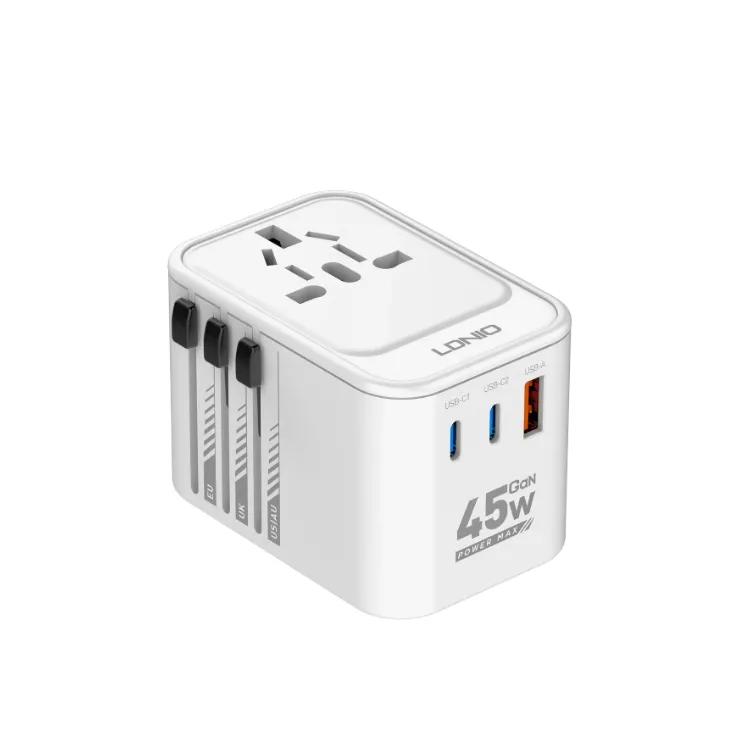 The plug adapter LDNIO Z8 45W GaN Travel Adapter
US, UK, EU and AU sockets built into one body, and 45W on the first USB-C — so it replaces both your plug converters and the laptop charger rather than only the small stuff.
LKR 7,999 -
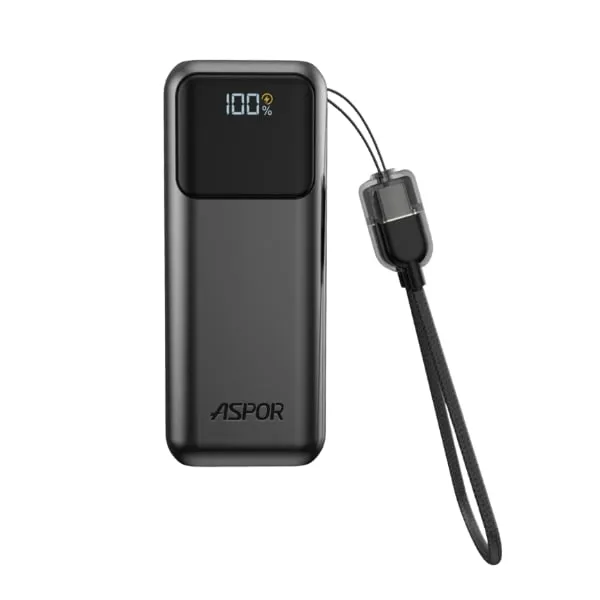 The power bank Aspor A353 10000mAh 22.5W Fast Charging Mini Power Bank
A 10,000mAh / 37Wh mini with an LED percentage readout and an attached USB-C lanyard cable. Under the 100Wh airline limit, and carry-on only.
LKR 4,999 -
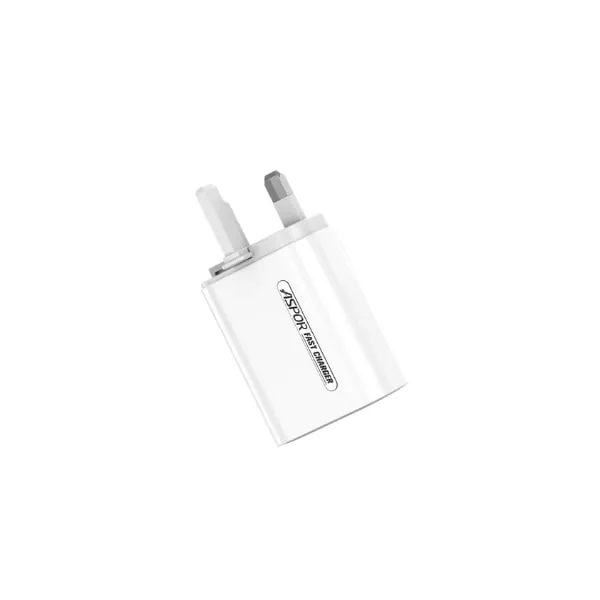 One charger, not four Aspor A809 65W PD+QC Fast Charger
65W with PD and Quick Charge over USB-C and USB-A — enough for a laptop, and it charges a phone and tablet from the same plug.
LKR 5,199 -
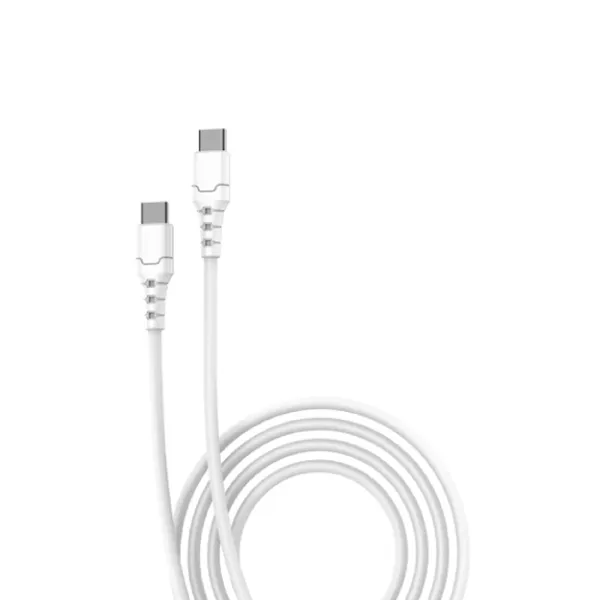 The cable Aspor A098 Type-C to Type-C 100W PD Fast Charging Cable
100W USB-C to USB-C, 1m, data as well as power. Take one per device plus this as the spare — cables are what people lose.
LKR 999 -
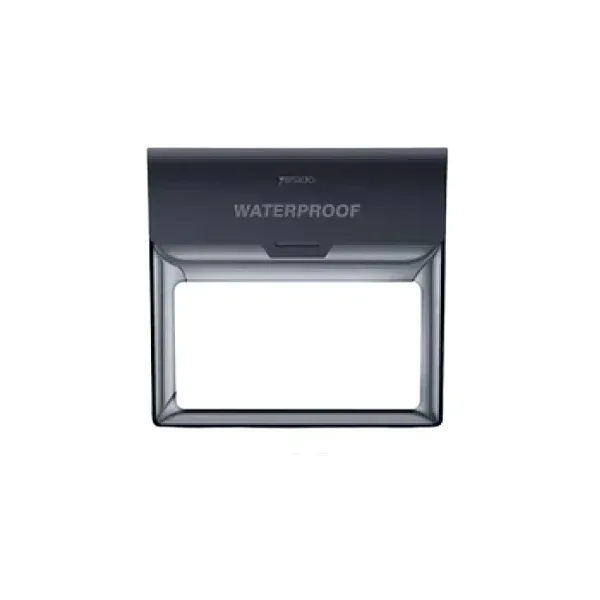 Worth the space Yesido WB66 Waterproof Bag
IPX8 with a triple-lock seal and a clear window you can still shoot through — for boat trips, the monsoon and the beach.
LKR 2,899
The whole kit: LKR 22,095 plus a flat LKR 450 delivery — charged once for the order, not once per item, so all 5 pieces arrive together on one trip and you pay cash at the door.
Ready to buy?
Every product is genuine and warranty-backed, and ordering takes one short form — pay cash when it reaches your door.
Frequently asked questions
What tech should I pack for Sri Lanka? expand_more
A universal plug adapter for Type G sockets, a power bank for long train and bus journeys, one cable per device plus a spare, and a compact multi-port charger so one socket serves the whole group. Everything else depends on your trip — but those four cover the problems almost everyone actually hits.
What plug adapter do I need for Sri Lanka? expand_more
Sri Lanka's standard is Type G, the three rectangular-pin British plug, at 230V and 50Hz. UK travellers need nothing. Everyone else needs a plug adapter, and visitors from the United States, Canada or Japan should also check each device is dual-voltage. Some older buildings still have round-pin Type D or M sockets, so a universal adapter is the safe choice.
Do I need a voltage converter for Sri Lanka? expand_more
Usually not. Almost all phone, laptop and camera chargers are dual-voltage — check the fine print for 'INPUT: 100-240V' and a plug adapter is all you need. A converter is only required for 110V-only devices with heating elements or motors, like some hair dryers and travel kettles, and those are usually better left at home.
How big a power bank should I take to Sri Lanka? expand_more
For long train and bus journeys, 10,000mAh covers two to three phone charges and is the practical sweet spot for weight. 20,000mAh is worth it if you are charging a camera or tablet too, or travelling in a group. Check your airline's rules — most cap carry-on power banks at 100Wh, roughly 27,000mAh, and they must go in hand luggage, never in the hold.
Can I take a power bank on a plane to Sri Lanka? expand_more
Yes, in hand luggage only — lithium batteries are not permitted in checked baggage. Most airlines allow power banks up to 100Wh (about 27,000mAh) without prior approval. Keep it accessible for security checks.
Should I buy a local SIM or use eSIM in Sri Lanka? expand_more
Both work. A physical local SIM is widely available and cheap, while an eSIM lets you arrive already connected without swapping cards. If your phone supports eSIM it is the more convenient option for a short trip — our eSIM guide covers which networks and handsets support it.