
Content Creator Starter Kit in Sri Lanka: What to Buy First (2026)
You already own the camera — it's your phone. A practical guide to the gear that actually improves Sri Lankan creators' videos, in the order worth buying it: microphone first, then light, then stabilisation.
update Published 5 August 2026
Most advice for new creators starts with the camera. That’s the wrong end. The camera is your phone, and it’s already good enough — what’s holding your videos back is almost certainly sound, light, or shake, in that order.
Here’s what to buy first for a content creator setup in Sri Lanka, ranked by how much visible difference each item makes per rupee.
1. A microphone — buy this first
Viewers tolerate a mediocre picture. They will not tolerate bad audio; they leave within seconds. And a phone’s built-in mic is the weakest part of the whole chain — it sits far from your mouth, so it picks up room echo, ceiling fans, traffic and wind in roughly equal measure to your voice.
The fix is simply getting the mic closer to your mouth. That’s it. That’s the whole principle.
- Lavalier (clip-on) — clips to your shirt, sits close, cheap, and transforms talking-to-camera content. The single best first purchase.
- Wireless set — the same benefit with no cable across the frame. Better for interviews, movement and two people.
- Desk condenser — for voiceovers, podcasts and streaming, not for filming.
- Dynamic mic — best in a noisy or echoey room, because it rejects more of what’s around it.
Check the connector before you buy — USB-C, Lightning or 3.5mm. This is the most common ordering mistake in this category.
→ Best microphones in Sri Lanka
2. Light — but try the window first
Before spending anything: film facing a window. Daylight from the front or side is free, flattering, and solves most indoor lighting problems outright. A remarkable amount of “why does my video look cheap” is really “I filmed with a ceiling light directly overhead.”
An LED light earns its place when you:
- film at night, or after work,
- need your videos to look consistent day to day,
- want deliberate control of the look (RGB effects, colour matching).
What to look for:
- Adjustable colour temperature so you can match daylight or indoor bulbs — mixing the two makes skin look odd.
- High CRI (colour rendering) so skin tones stay natural. Cheap low-CRI panels make faces look sallow on camera.
- Battery if you shoot away from sockets — but check runtime at full brightness, not the best case.
- A 1/4” thread so it mounts on any tripod or stand.
→ Best LED video lights in Sri Lanka
3. Stabilisation — only if you move
Be honest about how you film:
- Static, talking to camera? A tripod is enough. Save the money.
- Walking, following, filming in motion? A 3-axis gimbal is the real upgrade. Your phone’s built-in stabilisation handles small wobbles but cannot smooth out the rhythm of walking — that’s what a gimbal does mechanically.
If you’re buying one, the features that matter day to day are subject tracking (essential if you film yourself), a folding design that actually fits your bag, and a payload rating that covers your phone with its case on.
4. The unglamorous things that matter
Cheap, easy to forget, and they remove most day-to-day friction:
- A tripod or phone stand — the cheapest item here and the one you’ll use every single shoot.
- A power bank — filming drains a phone fast, and a dead phone ends the day. See our best power banks.
- A memory card — if your phone or camera takes one, get a U3/V30 card for 4K. Read how to choose one, and how to spot a fake first — counterfeit cards are common and they corrupt footage.
A sensible buying order
If you’re starting from nothing and adding gradually:
- Microphone — biggest improvement per rupee, no contest.
- Tripod or stand — cheap, used constantly.
- Light — once the window isn’t enough.
- Memory card / power bank — as your shoot days get longer.
- Gimbal — when you genuinely start moving while filming.
Buying in this order means every purchase visibly improves the next video. Buying a gimbal first, while your audio still echoes, does not.
Where to go next
- Best microphones in Sri Lanka and the microphone price report
- Best gimbals in Sri Lanka and the gimbal price report
- Best LED video lights — and which to pick: ring light vs LED panel
- Best phone & camera tripods · best selfie sticks · best phone stands & holders
- Selling rather than filming? See the live selling setup guide
- Shopping to a budget: cheapest microphones · cheapest gimbals
Everything we sell is genuine and warranty-backed, with cash on delivery available in most areas. Start with the best microphones and add the light and tripod as your videos grow — the order above is deliberate, and it tells you when you don’t need the expensive item yet.
The starter kit, in stock now
In the buying order the article argues for: sound first, then light, then everything else. All in stock, priced live, one delivery charge for the order.
-
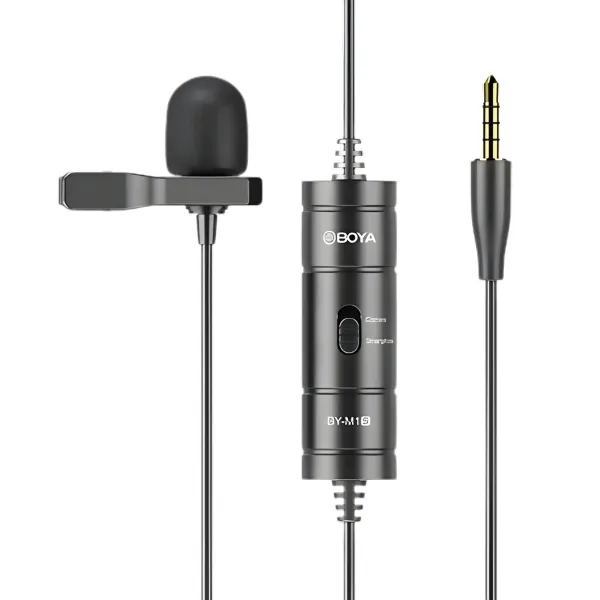 The microphone — buy this first Boya BY-M1S Universal Lavalier Microphone
Omnidirectional lavalier on a 6m cable, powered by the device so there's no battery to forget. 3.5mm TRRS fits phones, DSLRs and recorders.
LKR 3,399 -
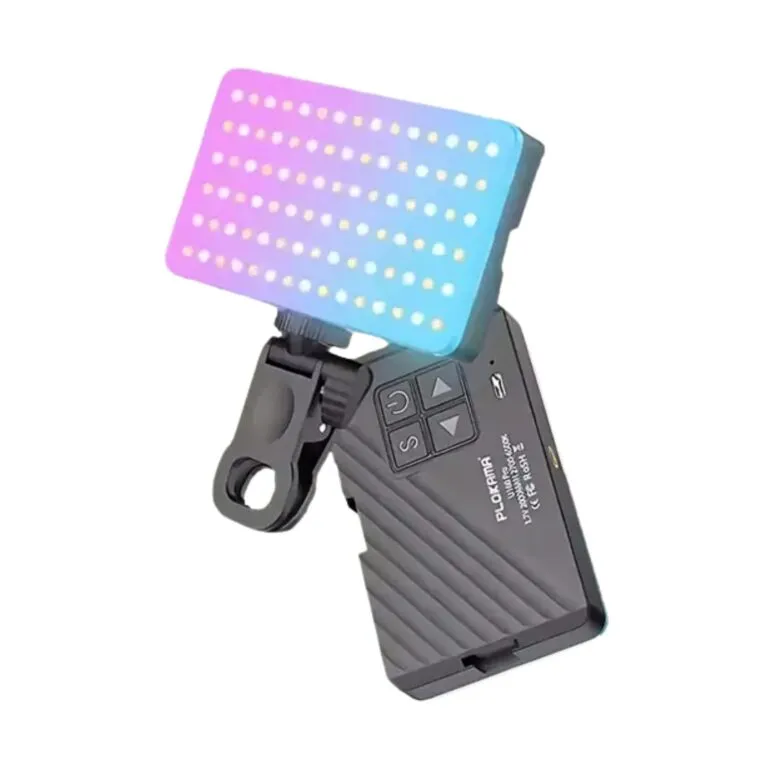 The light Plokama U160 Pro Rechargeable RGB LED Light
Ra95+ colour rendering with 2700K–6500K white balance and full RGB, 90 minutes on its 2000mAh battery. Try the window first; this is for when the window isn't there.
LKR 4,299 -
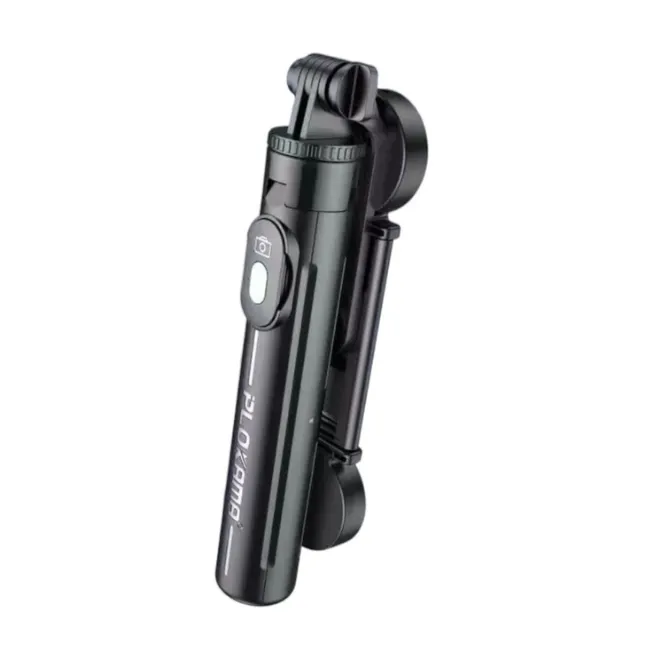 The tripod Plokama Live K7 LED Tripod
The cheapest thing here and the one used every shoot — 360° rotation, horizontal or vertical.
LKR 2,499 -
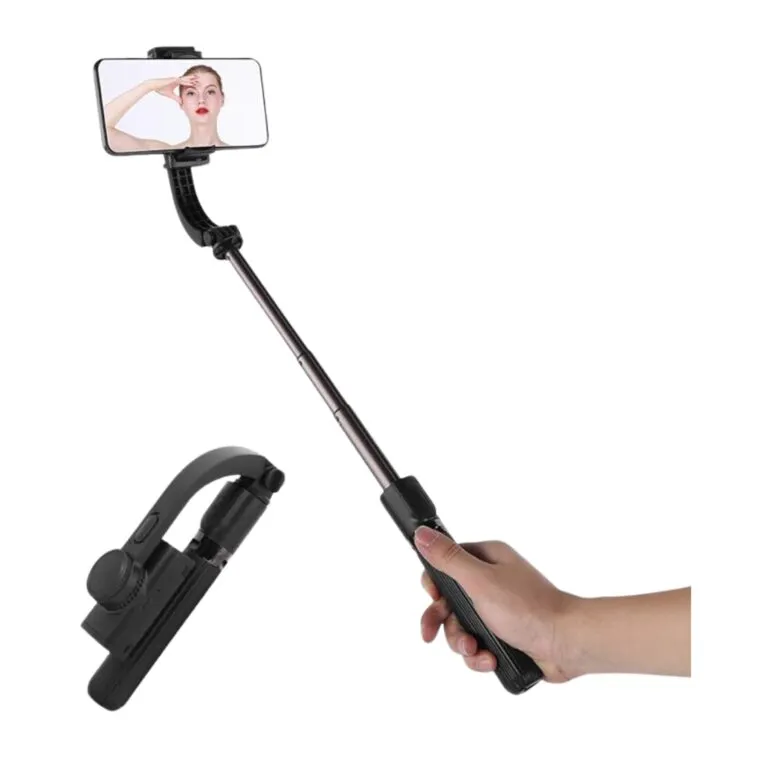 Stabilisation, only if you move rtako L08 Mini Mini Electric Gimbal Stabilizer
A compact extendable electric gimbal. Skip it if you shoot static pieces to camera; it earns its price the moment you walk while filming.
LKR 8,399
The whole kit: LKR 18,596 plus a flat LKR 450 delivery — charged once for the order, not once per item, so all 4 pieces arrive together on one trip and you pay cash at the door.
Ready to buy?
Every product is genuine and warranty-backed, and ordering takes one short form — pay cash when it reaches your door.
Frequently asked questions
What should a content creator buy first in Sri Lanka? expand_more
A microphone. Viewers forgive an average picture but switch off bad audio within seconds, and a phone's built-in mic picks up every bit of room echo, traffic and wind. A clip-on lavalier or a small wireless mic is usually the cheapest single upgrade that makes content look more professional. Lighting comes second, stabilisation third.
Do I need a camera, or is my phone enough? expand_more
For almost all social content, a recent phone is genuinely enough. Phone sensors and video processing are excellent, and the limiting factors on most creators' videos are sound, light and shake — none of which a new camera fixes. Spend on the microphone, the light and the gimbal before you consider a dedicated camera; the same money produces a much bigger visible improvement.
What kind of microphone is best for filming on a phone? expand_more
For talking to camera, a lavalier that clips to your shirt gets the mic close to your mouth, which is what actually removes room echo. A wireless set does the same without a cable trailing across the frame, and suits interviews or moving around. A desk condenser mic is the choice for voiceovers, podcasts and streaming rather than filming. Check the connector matches your phone — USB-C, Lightning or 3.5mm — before buying.
Is a gimbal worth it for phone video? expand_more
It depends on whether you move while filming. If you shoot mostly static talking-head content on a tripod, a gimbal adds little. If you walk, follow, or film in motion, a 3-axis gimbal is the difference between footage that looks professional and footage that looks handheld — phone stabilisation alone can't smooth out walking. Subject tracking is the other genuinely useful feature if you film yourself.
What lighting do I need for filming indoors in Sri Lanka? expand_more
Start with a window. Daylight from the side is free and flattering, and shooting facing a window solves most lighting problems at no cost. An LED panel or clip light earns its place when you film at night, film consistently at the same time each day, or need to control the look. Look for adjustable colour temperature so you can match the room, and a high colour-rendering index so skin tones stay natural.
How much does a basic creator setup cost in Sri Lanka? expand_more
It scales with how far you go. A microphone alone is a modest outlay and delivers the biggest single improvement. Adding a light and a tripod is still an entry-level spend. A gimbal is the step up in cost. Because prices move, check the live figures: the microphone price report and gimbal price report show current medians and entry prices from our catalogue.