
Live Selling Setup in Sri Lanka: The Gear That Actually Sells (2026)
A practical, order-of-purchase guide to setting up for Facebook and TikTok live selling in Sri Lanka — phone position, lighting, sound, power and backup data — using gear you can buy locally.
update Published 14 August 2026
Live selling on Facebook and TikTok has turned into a genuine sales channel for Sri Lankan sellers — and the gear question comes up constantly. The good news is that the expensive part, the camera, is already in your pocket.
What separates a stream people watch from one they scroll past is almost never the camera. It’s light, sound, stability and power — in that order. Here’s what to buy, in the order worth buying it.
1. Hold the phone steady, at eye level
A propped-up phone leaning against a box is the fastest way to look amateur. It also tends to fall over mid-stream.
- A tripod is the flexible choice. A 1.5m stand covers seated streams and product close-ups; 1.8m or 2.1m lets you stand and still keep the camera at eye height. Look for a phone clip that holds your handset with its case on.
- A desk stand is enough if you always sit at the same table and never move the setup.
- A selfie stick with a tripod base is the compromise: it stands on a table for streaming and folds into a bag for filming out of the shop.
Eye level matters more than the price of the stand. A camera below you looks up your nose; a camera above you shrinks you. Level with your eyes is what reads as normal.
→ Best phone & camera tripods in Sri Lanka · Best phone stands & holders · Best selfie sticks
2. Put a light in front of you
If you take one thing from this page: the light goes in front of you, not behind you.
Sit facing a window and you have a free, flattering light. Stream at night, or with the window behind you, and the camera exposes for the bright background and turns your face into a silhouette.
When daylight isn’t available:
- A ring light wraps even light around your face and puts a distinctive circular catchlight in your eyes. It’s the default for talking-to-camera selling, and most come with a phone holder in the middle, which solves point 1 at the same time.
- An LED panel is directional. It’s better when you’re lighting products rather than a face, because you can angle it across the item to bring out texture.
Not sure which? We wrote a whole post on it: ring light vs LED panel.
→ Best ring lights in Sri Lanka · Best LED video lights
3. Get the microphone close to your mouth
Viewers forgive a soft picture. They leave over bad audio, and they leave fast.
Your phone’s mic is a metre or two away from you, so it records your ceiling fan, the road outside and the room’s echo at roughly the same volume as your voice. Nothing in software fixes that. The only real fix is physical distance.
- A clip-on lavalier pins to your shirt, sits near your mouth, and is the cheapest meaningful upgrade in this entire list.
- A wireless set does the same with no cable across the frame — worth it if you move between products or hand the phone to someone else.
Check the connector matches your phone (USB-C, Lightning or 3.5mm) before you order. It’s the most common mistake in this category.
→ Best microphones in Sri Lanka
4. Plan for power and data before you go live
This is the part most guides skip, and it’s what actually ends streams early.
- Stay plugged in. A long stream with a bright screen will outrun the battery. Charge while you stream rather than starting at 100% and hoping.
- Expect heat. Streaming and charging together makes a phone warm, and a hot phone throttles and dims. Take the thick case off, keep it out of direct sun, and don’t sit it on top of the charger.
- Keep a power bank in reach if there’s no socket where you film — a market stall, a warehouse, outdoors.
- Have a data backup. If your stream runs on home broadband, a phone hotspot or a pocket WiFi router is worth having on standby. Dropping mid-sale is worse than starting late.
→ Best power banks in Sri Lanka · Best pocket WiFi routers · What wattage charger do I need?
What to buy first, on a budget
If you’re starting from nothing and adding one item at a time:
- Tripod or stand — stops the stream looking accidental, and it’s the cheapest fix.
- Ring light — the biggest visible jump, especially for evening streams.
- Lavalier mic — the biggest retention jump, because people stop leaving over audio.
- Charger you can leave plugged in — the thing that lets you stream for an hour instead of twenty minutes.
- Everything else — gimbal, second light, backup router — only once the first four are solved.
A note on rooms, not gear
Two free changes usually beat the next purchase:
- Turn to face your light source. Covered in point 2, and worth repeating because it’s free.
- Kill the echo. A bare room with tiled floors and hard walls sounds hollow on camera. Filming with curtains, a bed, a sofa or shelves of stock behind you absorbs reflections and makes cheap audio sound better than expensive audio in an empty room.
Filming rather than selling? Our content creator starter kit covers the same ground for video content, where stabilisation matters more and lighting is less about faces.
Ready to build the setup? Browse tripods, ring lights and microphones — everything is genuine, warranty-backed, and you can put the whole kit in one order.
The live-selling kit, in stock now
Steady phone, light in front, mic close, power in reach — in that order. Everything below is in stock and priced live, and the whole order ships for one delivery charge.
-
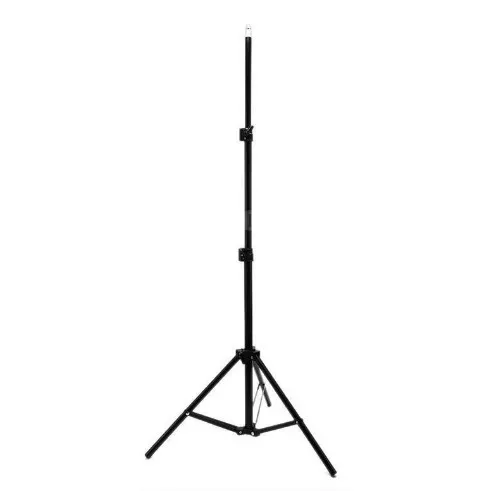 Eye level Other / Generic Tripod 2.1M
Extends to 2.1m on four-section aluminium legs with quick-release locks, so you can stand and still keep the camera level with your eyes.
LKR 1,999 -
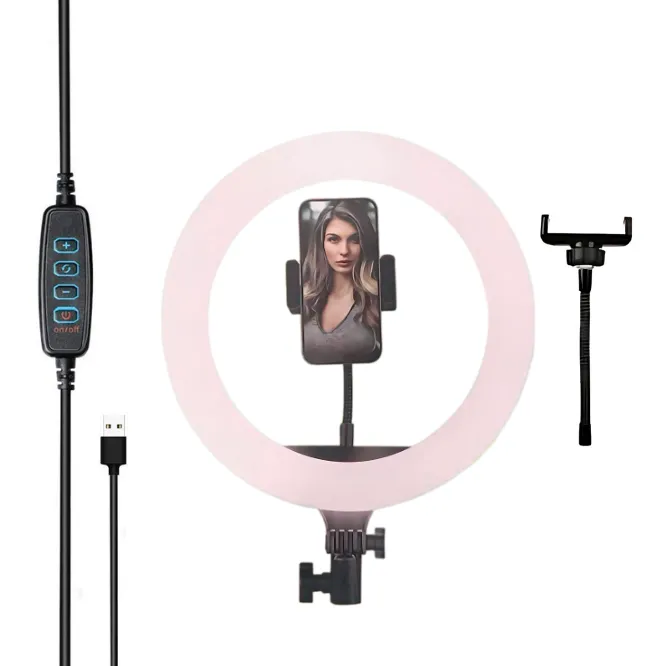 The light in front of you Plokama PK-360 Soft Ring Light 36cm
A 36cm soft ring light with 360° pan and tilt and two mounts in the box — soft enough not to glare, big enough to wrap light around your face.
LKR 3,999 -
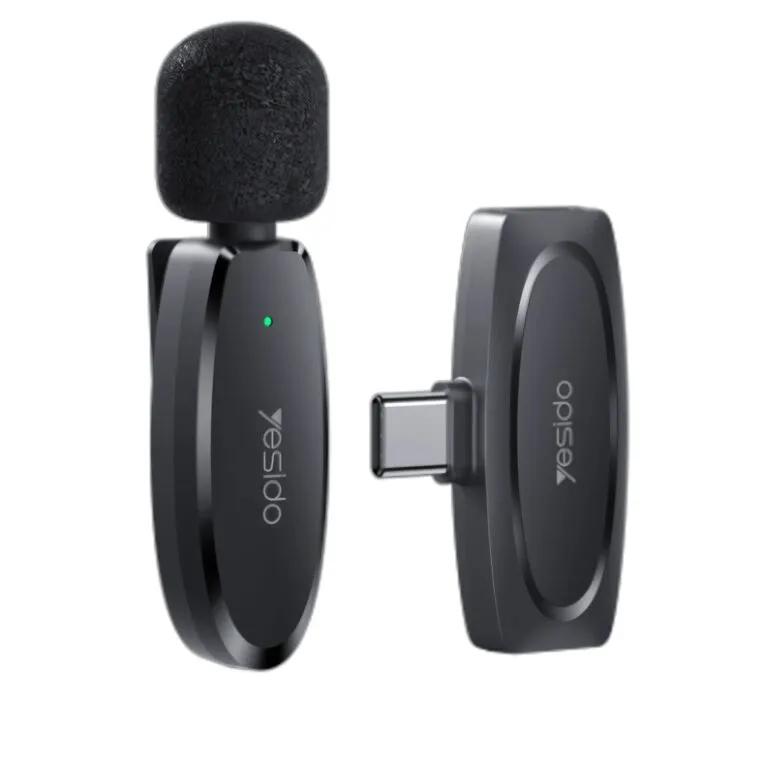 The microphone, close to your mouth Yesido KR11 Wireless Type-C Lavalier Microphone
2.4GHz wireless lavalier that clips to a collar and stays out of frame, with 20m of range so you can step away from the phone to hold a product up. The receiver is USB-C — check your phone has that port, because an iPhone 14 or older will not take it.
LKR 4,899 -
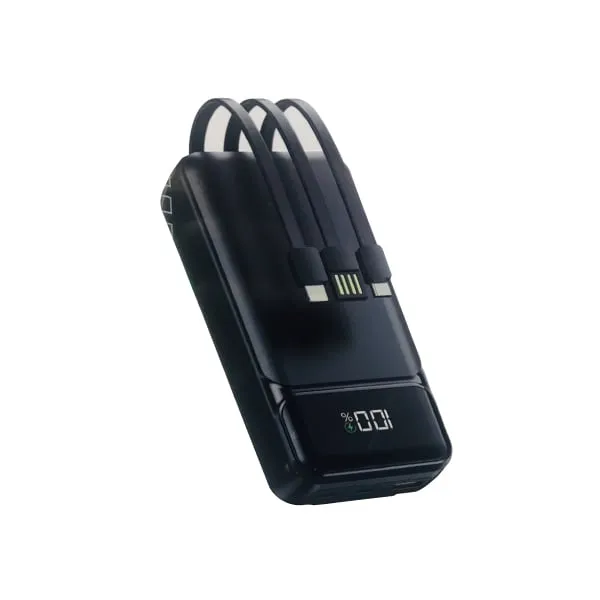 Power in reach Aspor A316 20000mAh 22.5W Portable Powerbank
20,000mAh at 22.5W. Charge while you stream rather than starting at 100% and hoping; this is the fallback where there's no socket.
LKR 4,999 -
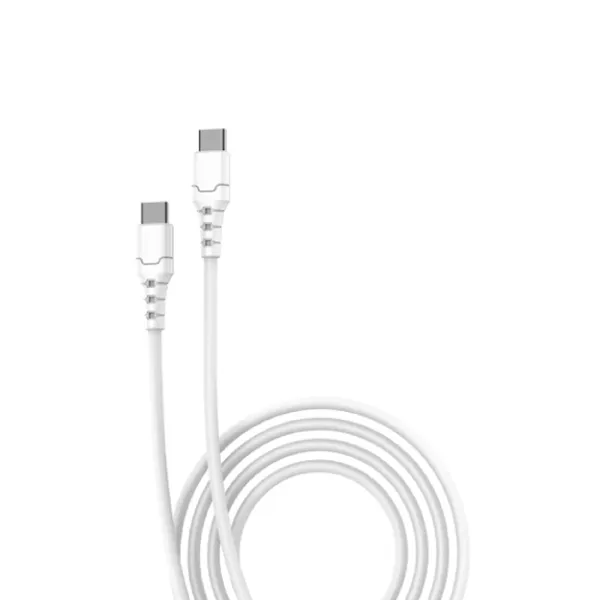 The cable that keeps you plugged in Aspor A098 Type-C to Type-C 100W PD Fast Charging Cable
100W USB-C to USB-C. Streaming with a bright screen outruns a battery, and a hot phone throttles — keep it fed and out of the sun.
LKR 999
The whole kit: LKR 16,895 plus a flat LKR 450 delivery — charged once for the order, not once per item, so all 5 pieces arrive together on one trip and you pay cash at the door.
Ready to buy?
Every product is genuine and warranty-backed, and ordering takes one short form — pay cash when it reaches your door.
Frequently asked questions
What do I need to start live selling on Facebook in Sri Lanka? expand_more
Four things, in this order: a way to hold the phone steady at eye level (a tripod or a desk stand), a light in front of you, a microphone that sits near your mouth, and mains power so the phone survives a long stream. Your phone is the camera and it is already good enough. A tripod, a ring light and a clip-on lavalier mic is the complete entry-level setup, and everything after that is refinement rather than necessity.
Should the light be in front of me or behind me? expand_more
In front, slightly above eye level, angled down at about 45 degrees. Light behind you turns you into a silhouette — the camera exposes for the bright background and your face goes dark. This is the single most common mistake in live selling, and it costs nothing to fix: turn around so the window or the light faces you.
Do I need a microphone, or is the phone's mic enough? expand_more
The phone's mic is the weakest part of the setup because it sits far from your mouth, so it records the room — fans, traffic, echo — at roughly the same level as your voice. A clip-on lavalier costs little and gets the mic close to your mouth, which is what actually removes echo. If you move around while presenting products, a wireless set does the same without a cable across the frame.
How do I stop my phone dying halfway through a live stream? expand_more
Keep it plugged in for the whole stream rather than relying on the battery. Streaming plus a bright screen plus a warm room drains a phone fast, and a phone that is charging while streaming will run warm — so avoid a thick case, keep it out of direct sun, and use a charger that can keep up with the drain rather than a low-wattage spare. A power bank works if you have no socket within reach.
What size ring light should I buy for live selling? expand_more
It depends on distance. A 26cm ring sits on a desk for close-up, seated streams. A 36cm to 45cm ring on a floor stand is the usual choice for standing presentation and lets you hold products up in frame. A 56cm ring is a studio-scale light for filming several people or a full product table. Bigger rings are softer and more flattering, but need floor space and a stand that will actually take the weight.
Is a gimbal worth it for live selling? expand_more
Usually not. Live selling is mostly static — you are talking to a fixed camera and holding products up to it — so a tripod does the job for far less. A gimbal earns its place if you walk while streaming, film around a shop or a market, or move between rooms. If you stand or sit in one spot, spend that money on lighting instead.